
Unclonable Cellular Identification
Revolutionary genetic PUF technology for reliable biomedical research. Track cell line provenance and age with precision.
Discover More
Revolutionary genetic PUF technology for reliable biomedical research. Track cell line provenance and age with precision.
Discover MoreSyntaxisBio addresses a critical challenge in biomedical research – the reliable identification of cell line age and division/passage history. Our mission is to enhance reproducibility and reliability by ensuring that every cell line's provenance and age are accurately tracked.
Meet the experts behind SyntaxisBio's innovative genetic PUF technology.

Expert in synthetic biology and genome editing, pioneering the development of genetic PUF technology for cellular identification.

Expert in hardware security and PUF technologies, translating semiconductor security concepts to biological systems.

Expert in genomics and bioinformatics, developing computational approaches for genetic PUF analysis and validation.
Leveraging advances in synthetic biology and genome editing, we pioneer a technology based on genetic PUFs – a novel approach inspired by the semiconductor industry. By combining molecular barcoding with CRISPR-induced DNA repair mechanisms, we embed unique, robust, and unclonable identifiers into cell lines.
This breakthrough not only tracks cell line provenance but also creates a “cellular clock” using advanced machine learning algorithms, ensuring that every experimental outcome is reproducible and reliable.
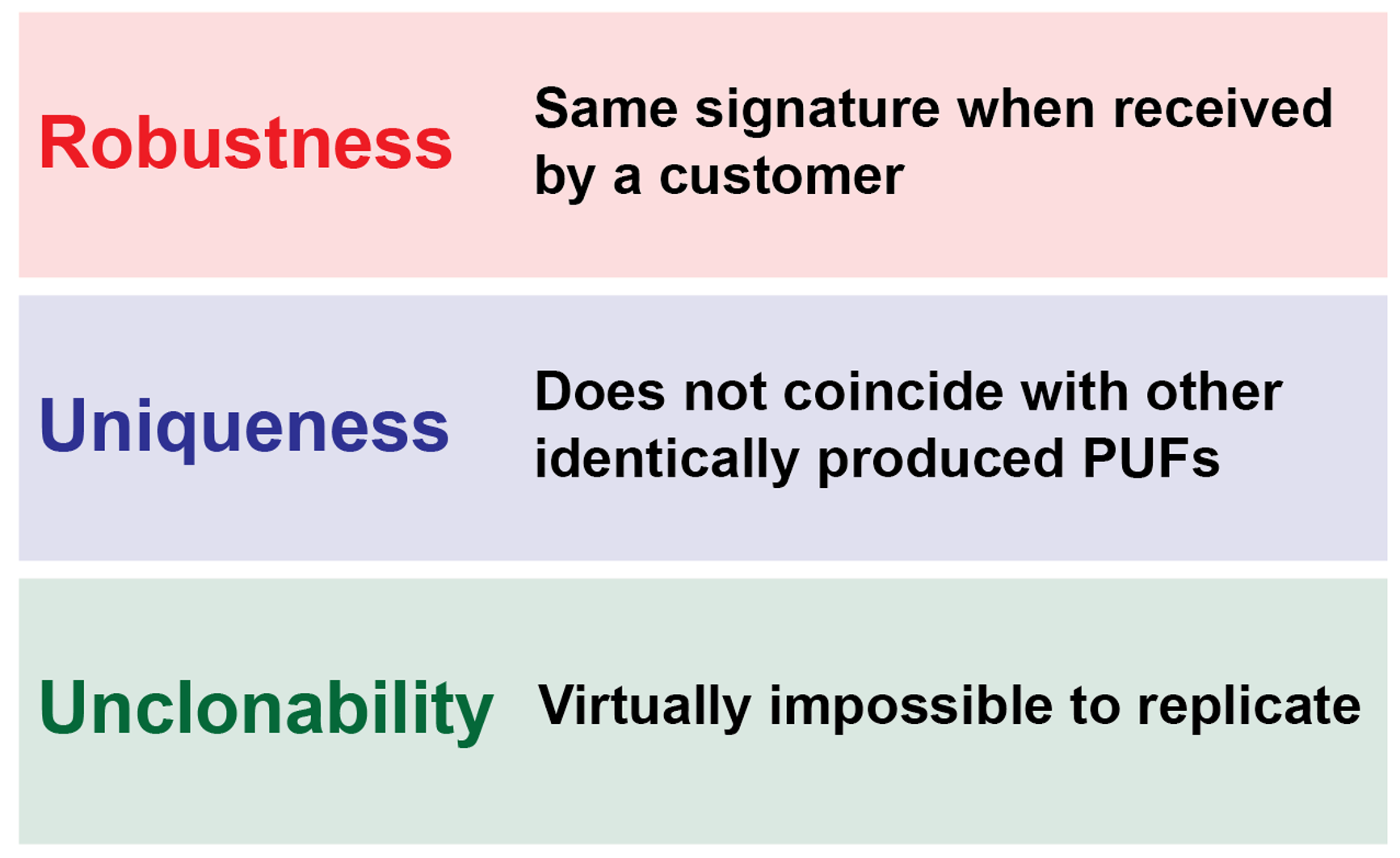
Ensuring accurate identification and provenance of every cell line to guarantee the integrity of your research.
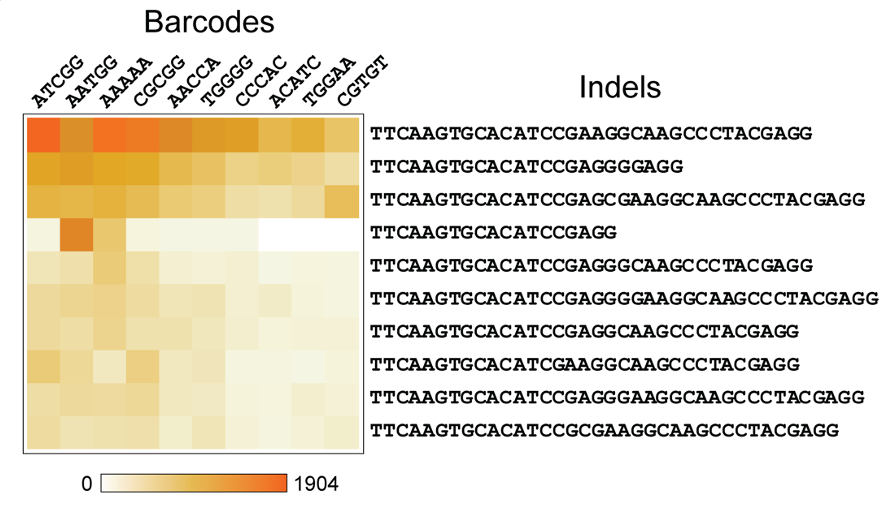
Embedding unique genetic identifiers into cell lines for robust tracking of cellular age and division history.

Utilizing precise CRISPR-induced DNA repair mechanisms to integrate unclonable identifiers seamlessly.
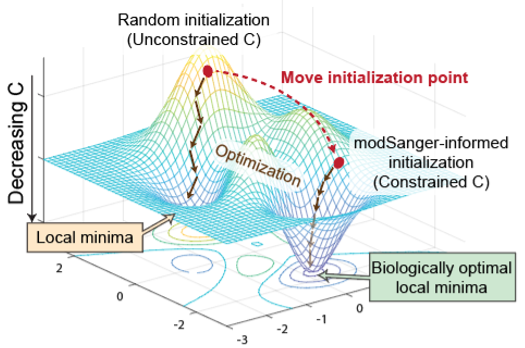
Leveraging advanced machine learning algorithms to monitor the temporal drift of genetic PUFs, forming a reliable cellular clock.
Our cutting-edge research in genetic PUFs and cellular identification has contributed to advancing biomedical research standards.
Li Y, Bidmeshki MM, Kang T, Nowak CM, Makris Y, Bleris L. PMID: 35507652. DOI: 10.1126/sciadv.abm4106.
Pioneering work introducing genetic PUFs in human cells for unclonable cellular identification.
Harbut E, Makris Y, Pertsemlidis A, Bleris L. PMID: 39522879. DOI: 10.1016/j.slasd.2024.100193.
A comprehensive review of cell line authentication challenges and security solutions in biomedical research.
Zhou Z, Kang T, Chen J, Doctor Y, Camposagrado JG, Makris Y, Pertsemlidis A, Bleris L. PMID: 39485605. DOI: 10.1002/advs.202407386.
Novel biosecurity primitives using polymerase-based genetic PUFs for cellular identification.
Recent coverage of SyntaxisBio's genetic PUF technology and cellular identification innovations.
Coverage of SyntaxisBio's innovative use of physical unclonable functions (PUFs) to create unique identifiers for cell line authentication and tracking in biomedical research.
When scientists grow and engineer cells for research, those cells can be accidentally mislabeled, contaminated, or even copied without permission. The consequences are costly: industry-wide, such errors lead to billions of dollars in losses each year and put critical discoveries at risk.
Genetically engineered cell lines have become essential tools in biomedical research, underpinning advancements in medical therapies, vaccines, and scientific discoveries. However, the potential for misidentification and unauthorized use of these engineered cell lines represents a significant dilemma within the field.
Genetically engineered cell lines used in biomedical research have long been prone to misidentification and unauthorized use, wasting billions of dollars each year and jeopardizing critical scientific discoveries.
Our innovative approach addresses issues like cell line misidentification and contamination, ensuring high-quality and reproducible biomedical research outcomes.
Common questions about genetic PUFs and our cellular identification technology.
Genetic PUFs are unique biological identifiers embedded into cell lines using advanced molecular techniques. Similar to hardware PUFs in semiconductor security, genetic PUFs create unclonable cellular fingerprints that can reliably identify and track cell lines throughout their lifecycle.
Cell line misidentification and contamination are major issues in biomedical research, affecting reproducibility and validity of results. Our genetic PUF technology provides a robust solution by creating permanent, unclonable identifiers that track cell provenance, age, and passage history.
This ensures that researchers can verify the authenticity and quality of their cell lines at any point in their experiments.
Yes, our CRISPR-based integration process is designed to minimize genomic disruption while ensuring stable identifier insertion. We use precise targeting strategies and validated protocols to maintain cell line functionality and characteristics.
Extensive validation ensures that the genetic PUFs do not interfere with normal cellular processes or experimental outcomes.
Yes, our technology can be applied to existing cell lines through our specialized integration protocols. We work with researchers to implement genetic PUFs in their current cell line collections without disrupting ongoing research projects.
Our technology is valuable for academic research institutions, pharmaceutical companies, biotechnology firms, and clinical research organizations. Any organization conducting cell-based research where authentication and tracking are critical can benefit from genetic PUF technology.
Contact us through our consultation form or email to discuss your specific research needs. We provide customized solutions and can work with you to implement genetic PUF technology in your research workflow.
We offer initial consultations to assess how our technology can best serve your research objectives.
Interested in learning more or collaborating? Reach out to us!